

How to Study Each PTE Question Type: Start Here PTE 每个题型应该怎么学?先看这一篇
Many PTE students work hard, but they spend their time too evenly across all question types. This is not the most efficient way to prepare. 很多同学开始准备 PTE 时,最容易犯的错误不是不努力,而是把所有题型平均分配时间。PTE 的题型很多,但每个题型对分数的影响并不一样。有些题同时影响两个技能,有些题主要用于熟悉流程,有些题则应该每天稳定练习。
PTE has many different tasks, and each task affects your score differently. Some tasks contribute to more than one skill. Some are worth daily practice. Others only need enough practice to understand the format and avoid simple mistakes. 这篇文章适合刚开始备考,或者已经刷题但不知道怎么安排优先级的同学。你可以先用它判断:今天应该练什么,哪些题要精练,哪些题熟悉方法即可。
The Most Important Principle 先记住一个原则
Your PTE Overall score is not a simple average of Listening, Reading, Speaking and Writing. Different question types contribute differently, and some integrated tasks affect more than one skill. PTE 的 Overall 分数不是 Listening, Reading, Speaking, Writing 四项的简单平均。不同题型会以不同权重影响单项分和总分,有些题型还会同时影响两个技能。
Instead of asking, “How many fixed points is this task worth?”, a better question is: “How important is this task for my target score, and how much time should I spend on it?” 所以备考时不要问:“这个题到底固定值几分?”更实用的问题是:“这个题对我的目标分有没有关键影响?我现在应该投入多少时间?”
The priorities below are based on task weighting, training value and study efficiency. 下面的优先级,是根据题型权重、训练价值和学生备考效率整理出来的学习建议。
Priority 1: Focus on These First 第一优先级:先抓这些题
These tasks deserve the most attention because they usually have stronger scoring impact, stronger training value, or both. 这些题型值得优先安排,因为它们通常权重较高,或者同时影响多个技能。
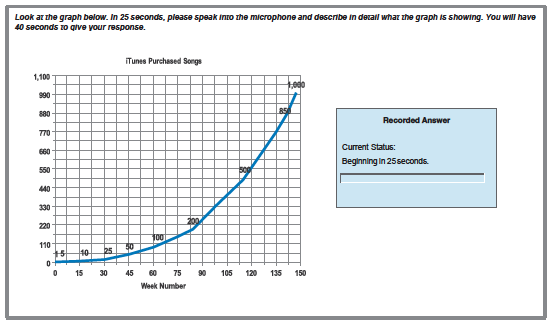
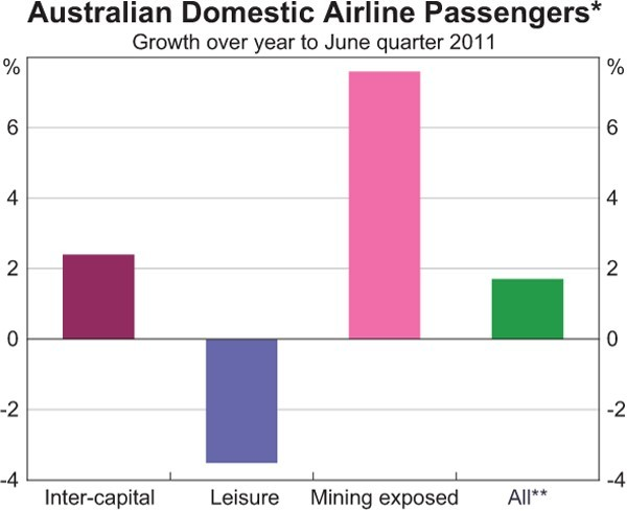
DI – Describe Image 描述图片
DI is important for Speaking and Overall performance. The goal is not to memorise a long template, but to speak naturally, fluently and cover the key information in the image. DI 对 Speaking 和 Overall 都很重要。练习重点不是背一段固定模板,而是让表达自然、流利,并且能覆盖图表的核心信息。
Use a simple structure, mention the topic, main trend or key data, and record yourself to check pauses, repetition and hesitation. 练习时先固定一个简洁框架,每张图都说出主题、主要趋势或重点数据;录音后检查是否有长停顿、重复和明显卡顿。
SGD – Summarize Group Discussion 总结小组讨论
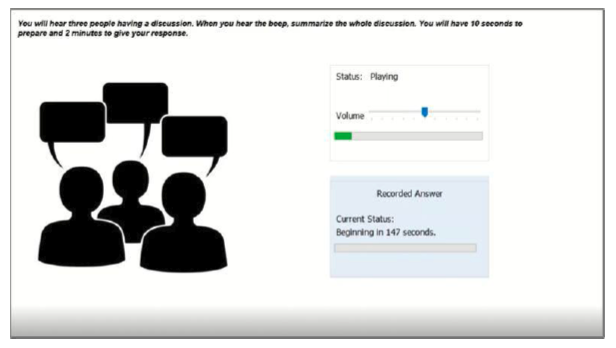
SGD affects both Speaking and Listening. It is not just a speaking-template task. You need to understand several speakers and summarise their main views. SGD 同时影响 Speaking 和 Listening。它不是单纯的口语模板题,而是要求你听懂多人观点,再总结主要内容。
When practising, note each speaker’s key point and organise your answer around agreement, differences and conclusions. 练习时记录每个人的核心观点,重点练习总结共识、差异和结论;回答时保持结构清楚,不要只堆关键词。
SWT – Summarize Written Text 概括书面文本
SWT affects both Writing and Reading. You must write one sentence of 5-75 words, so both content and form matter. SWT 同时影响 Writing 和 Reading。它要求用一句 5-75 词的句子总结文章,所以内容和形式都不能丢。
Find the main idea and key information first, then combine the main points into one grammatically complete sentence. 练习时先找主旨句和关键词,再把两个主要信息用连接词合成一句话;注意字数、语法、拼写和句子完整度。
WE – Write Essay 大作文
Essay is not about showing off complicated language. It is about answering the question with clear structure, relevant ideas and stable grammar. Essay 不是考文采,而是看观点、结构、语言稳定度和任务回应。模板可以帮助组织文章,但不能代替内容。
Use a clear four- or five-paragraph structure. A TEEL-style body paragraph can help you build logic: Topic sentence, Explanation, Example and Link. 建议使用清楚的四段式或五段式结构,主体段可以用 TEEL 逻辑:观点句、解释、例子、回扣题目。
FIB-Dropdown / FIB-Drag and Drop 阅读完形填空
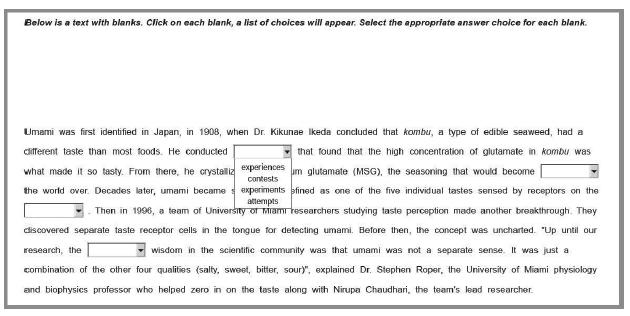
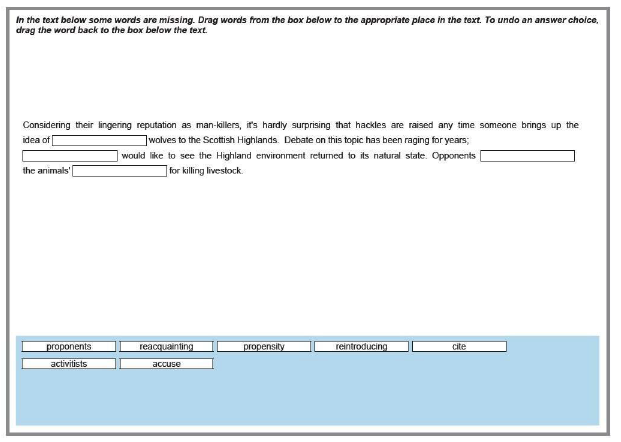
Reading FIB tasks are central to Reading. They test vocabulary, grammar, collocation and context. 阅读 FIB 是 Reading 的核心题型。它考的不只是词汇量,还包括词性、搭配、语法和上下文判断。
Do not only check the answer. Review why each answer is correct and collect common collocations and fixed expressions. 不要只看答案对错。每题都要复盘为什么选这个词,把常见搭配和固定表达整理出来,并注意词性位置。
WFD – Write From Dictation 听写句子
WFD affects both Listening and Writing. It is one of the best tasks for daily practice because it trains listening, short-term memory, spelling and typing accuracy. WFD 同时影响 Listening 和 Writing,是非常适合每天训练的题型。它需要听力、短时记忆、拼写和打字准确度一起稳定。
Practise 30-60 sentences a day if your schedule allows. Listen for sentence structure first, then review spelling, plurals, tense and small function words. 如果时间允许,每天练 30-60 题。第一遍先抓句子结构,不要只听单词;复盘时重点看拼写、单复数、时态和小词。
RS – Repeat Sentence 复述句子
RS affects both Speaking and Listening. Focus on meaning groups and key words first, then improve completeness. RS 同时影响 Speaking 和 Listening。重点是先抓意群和关键词,再逐步提高完整度。不要听漏几个词就放弃整句,先保证句子听起来像完整表达。
Priority 2: Build Stability 第二优先级:稳定提升这些题
These tasks are still important and should be practised regularly. They help you build consistency across speaking, listening, writing and reading. 这些题分值和训练价值也不低,适合持续练习,帮助你提高整体稳定度。
RL – Retell Lecture 复述讲座
RL requires you to understand the topic, key details and conclusion, then organise them into spoken English. RL 需要听懂主题、细节和结论,再用口语组织出来。笔记只记关键词,不要试图逐字记录;回答时可以按主题、要点、结论展开。
SST – Summarize Spoken Text 概括听力文本
SST affects Listening and Writing. Practise taking notes and writing a clear 50-70 word summary. SST 同时影响 Listening 和 Writing。它考听力理解,也考 50-70 词总结的写作能力。练习时要记录主题、原因、例子和结果,并检查内容、形式、词汇、拼写和语法。
HIW – Highlight Incorrect Words 选错词
HIW affects Reading and Listening. Practise following the text while listening carefully for sound changes. HIW 同时影响 Reading 和 Listening。它主要考辨音、跟读和注意力。练习时眼睛跟着文本走,不要提前乱点;错题要复盘是听错,还是注意力断了。
RA – Read Aloud 朗读
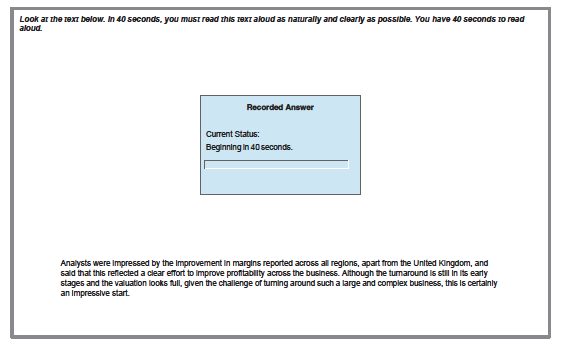
RA requires clear, stable and connected reading. Do not read too fast if it causes pronunciation mistakes. RA 要求清楚、稳定、连贯。速度不是越快越好,读错关键词会影响表现。练习时先保证发音清楚和节奏稳定,再处理停顿、重音和连读。
Priority 3: Know the Format, Control the Time 第三优先级:熟悉方法,不要过度投入
Tasks such as MC-S, MC-M, SMW, HCS, ASQ, RO, FIB-L and RTS still matter, but they usually should not take most of your study time. MC-S, MC-M, SMW, HCS, ASQ, RO, FIB-L, RTS 这些题型也需要练,但通常不建议占用太多核心复习时间。
Learn the format, practise typical examples, understand common traps, and increase practice only if one task is clearly holding your score back. 这类题的目标是熟悉流程、避免空题和低级错误。先掌握题型方法,做少量典型题,考前保持手感即可;如果某个题型明显拖后腿,再单独加练。
Different Target Scores Need Different Strategies 不同目标分,练习重点不同
Target 50-58: Make sure you can attempt every task and follow a basic response structure. 目标 50-58:先保证所有题型不空题,建立基本模板和答题流程。
Target 65: Focus on stable performance in DI, SWT, FIB, WFD, RS and SST. 目标 65:重点稳定 DI, SWT, FIB, WFD, RS, SST,不要只刷机经。
Target 79+: Templates and prediction materials are not enough. You need natural speaking, strong writing, reading vocabulary and accurate dictation. 目标 79+:不能只靠模板和机经。口语自然度、写作质量、阅读词汇、听写准确率都要在线。
Final Takeaway 总结
Do not practise every question type for the same amount of time. PTE 备考最重要的不是把每个题型都练一样久,而是知道哪些题决定优先级,哪些题决定上限。
Weighting helps you decide priority. Ability decides your score ceiling. Daily practice builds stability. Good review creates real improvement. 权重决定优先级,能力决定上限,高频训练决定稳定度,复盘质量决定进步速度。
If you are new to PTE, start with DI, SGD, SWT, Essay, Reading FIB, WFD and RS. Then use RL, SST, HIW and RA to build consistency. Lower-priority tasks should not be ignored, but they should not take away your most valuable study time. 如果你刚开始准备 PTE,可以先从 DI, SGD, SWT, Essay, Reading FIB 和 WFD 开始建立主线,再用 RS, RL, SST, HIW 和 RA 提升稳定度。低权重题不要完全放弃,但也不要让它们占走最宝贵的练习时间。
